Two critical vulnerabilities in PHP (CVE-2026-109618 and CVE-2026-109619) have been published. Both vulnerabilities carry a severe CVSS score of 9.2 (more technical details are in the Unit 42 Threat Brief).
Introducing the Cortex MCP ServerThis blog introduces the new Cortex MCP, bringing real-time intelligence from XSIAM data to your preferred LLM applicati...
Two critical vulnerabilities in PHP (CVE-2026-109618 and CVE-2026-109619) have been published. Both vulnerabilities carry a severe CVSS score of 9.2 (...
Business leaders cannot respond to AI-era cyber risk by longing for a simpler technology stack, slower decision-making or a security model built around a trusted internal network. AI is changing how organisations operate—and...
The same unaccounted, unpatched and end-of-life equipment that spoiled food across France are common globally across water, energy, manufacturing and...
The transition to Post-Quantum Cryptography (PQC) is not just a technical upgrade; it is a vital national security imperative that represents the most...
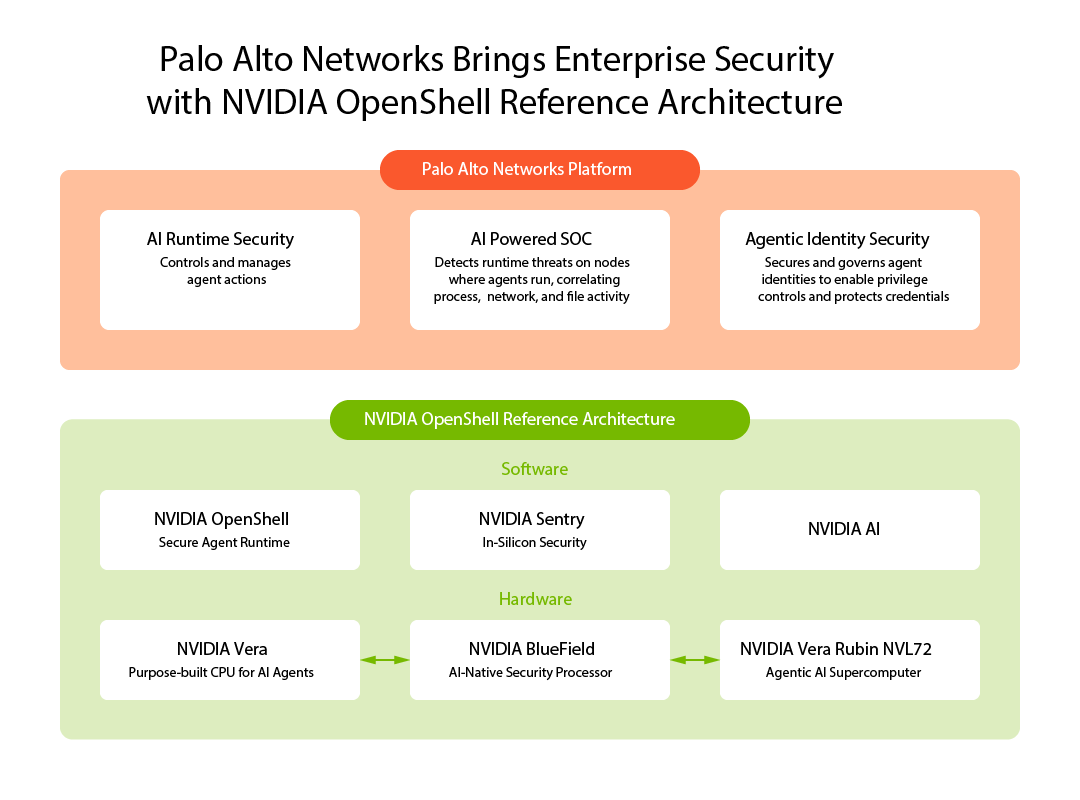
Today, we are introducing new security innovations that help enterprises put AI agents to work with greater control over sensitive data, agent actions...
Palo Alto Networks is excited to announce the general availability Advanced DNS Security with Amazon Route 53 Resolver DNS Firewall, bringing enterpri...
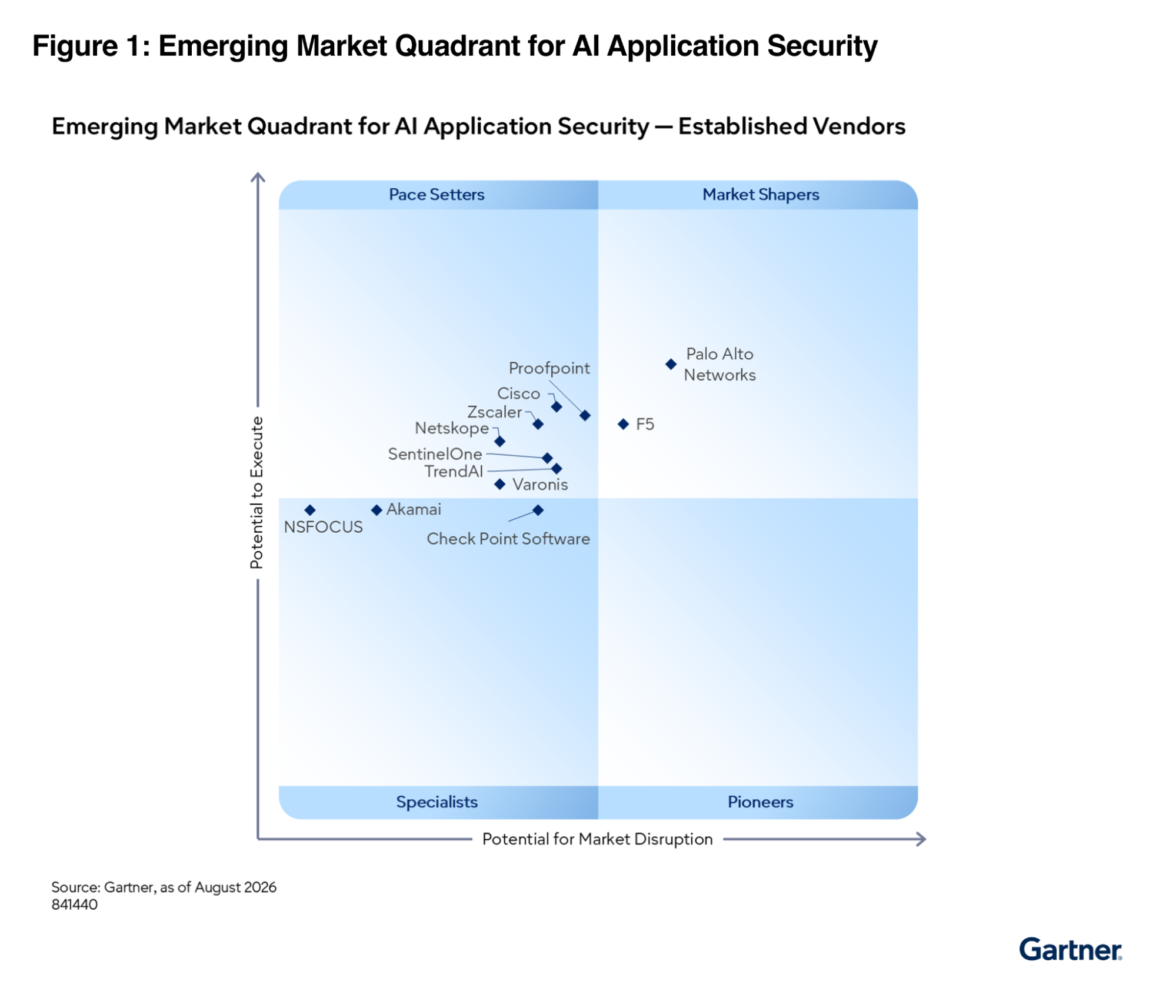
Market leadership comes down to two things: the vision to anticipate and solve customer problems and proven engineering execution. Across AI Security,...
As SaaS applications become central to how organizations create, share and store information, security teams need more than visibility into applicatio...
Traditional SD-WAN architectures have long relied on a fundamental misconception: that synthetic network probes equate to application health. In the legacy era of wide-area network...
Learn how Cortex Cloud SCA helps secure open-source software in the frontier AI era with visibility, risk prioritization and remediation from code to cloud.
We’re pleased to announce that after two months in public preview, Cortex Data Security is now generally available. And we’re already looking ahead to...
When a major software supply chain attack is discovered, security teams immediately need to know whether they are affected. As Frontier AI accelerates...
Cortex Cloud expands DSPM coverage across Google Drive, Microsoft 365, Teams, Salesforce and Claude to identify sensitive data, understand exposure, a...
Discover how Cortex Cloud Code-to-Cloud Coverage identifies missing connections, closes visibility gaps and improves context from development to runtime.
Enterprises spent the last two years racing to capture the vast potential of AI, authorizing AI agents to touch production code, internal databases, customer tickets and financial...
Editor’s note: This article was originally published by Koi Security on December 29, 2025. Koi is now part of Palo Alto Networks, and this article has been adapted for the Palo Alto Networks blog. The technical findings and i...
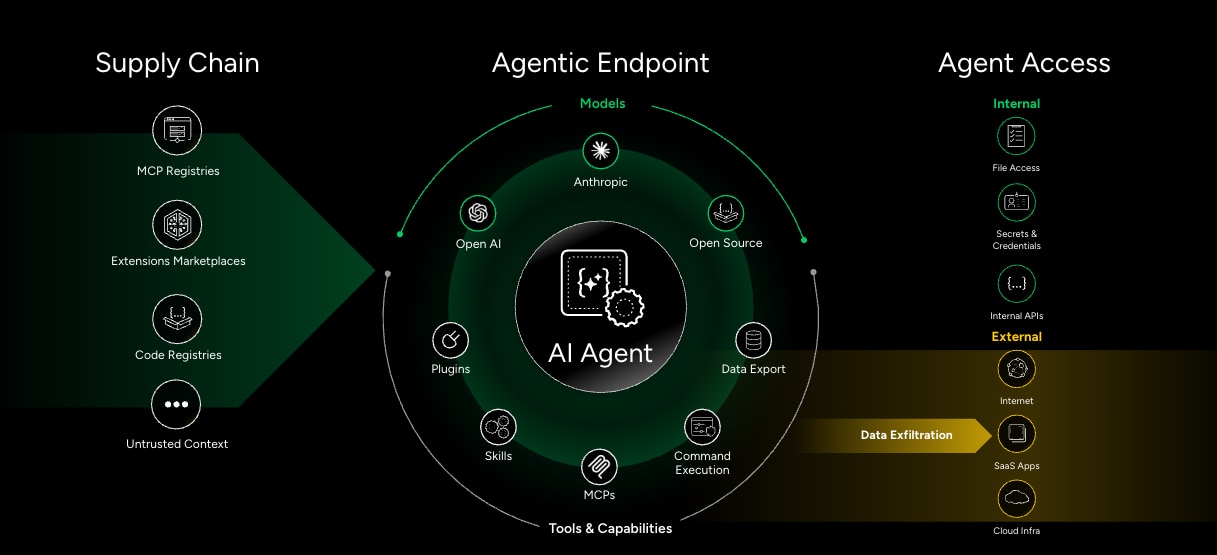
Frontier AI, rogue agents, and agent escapes have dramatically increased the challenges of protecting and securing AI agents at scale. While the consequences and timeframes have accelerated, just as for any pri...
I spend most of my week talking with CISOs and CIOs. When the conversation turns to frontier AI, I notice a troubling pattern. Everyone agrees the capability is real. Everyone agrees identity security is where it lands. And a...
Today, we are introducing new security innovations that help enterprises put AI agents to work with greater control over sensitive data, agent actions...
Enterprise AI is gaining a new class of models. Alongside the frontier systems that are built to reason and generate, a faster, leaner class is entering production. These models ar...
With 97M+ monthly SDK downloads and 10K+ active public MCP servers, the adoption has been fast. But the protocol, by design, doesn't enforce security. With agents now performing real actions across internal systems, that gap becomes critical.
They are moving from assistants that respond to us to autonomous systems that reason, plan, and act on our behalf. They can write and execute code, access enterprise data, call tools and APIs, and keep working toward a goal w...
When we set out to solve AI security, we knew it was an audacious challenge to take on. Securing AI Coding, which I wrote about last week, is one example of how we are tackling this multidimensional problem.
Enterprises are seeing an unprecedented surge in AI coding adoption with spend on AI coding tools projected to top $13 billion in this calendar year1, compounding at more than 60%...
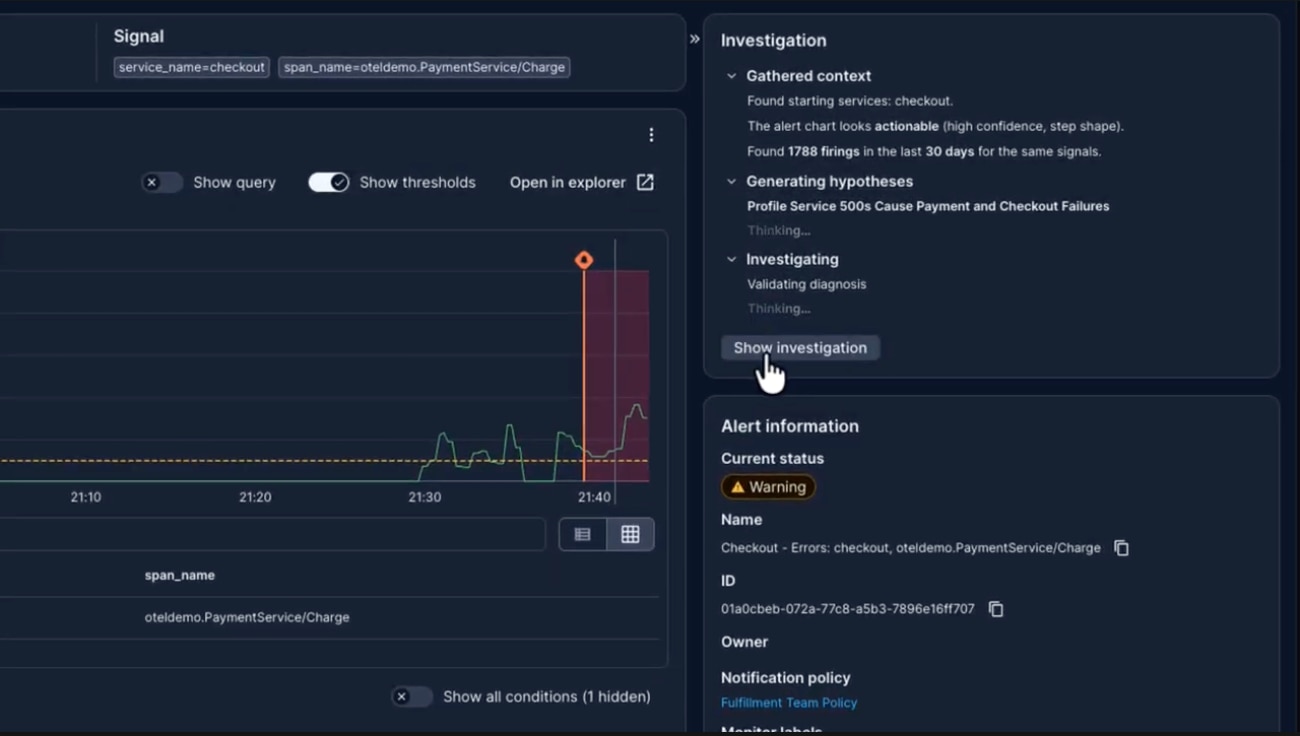
Introducing Cortex XCOR: AI-Driven Observability that Delivers Autonomous Response with AI SREI’ve been tackling the observability problem for more than a decade, since before it was coined observability. From building internal monitoring f...
When evaluating observability platforms, engineering organizations rarely start from scratch. Teams have established tooling and workflows, whether in SaaS platforms such as Datadog and Dynatrace or self-hosted, open source s...
Modern software development has undergone a permanent structural transformation. Engineering teams no longer write code line-by-line; developers now act as orchestrators for fleets of specialized AI agents. As organizations s...
Today we're introducing Cortex XCOR Real User Monitoring (RUM). It brings real user monitoring for web and mobile apps, along with synthetic monitoring, into Cortex XCOR, where it connects directly to the metrics, logs, and t...
High-growth engineering organizations require observability platforms that scale alongside their infrastructure without imposing unpredictable financial overhead. Cortex XCOR operates on a consumption-based pricing model buil...
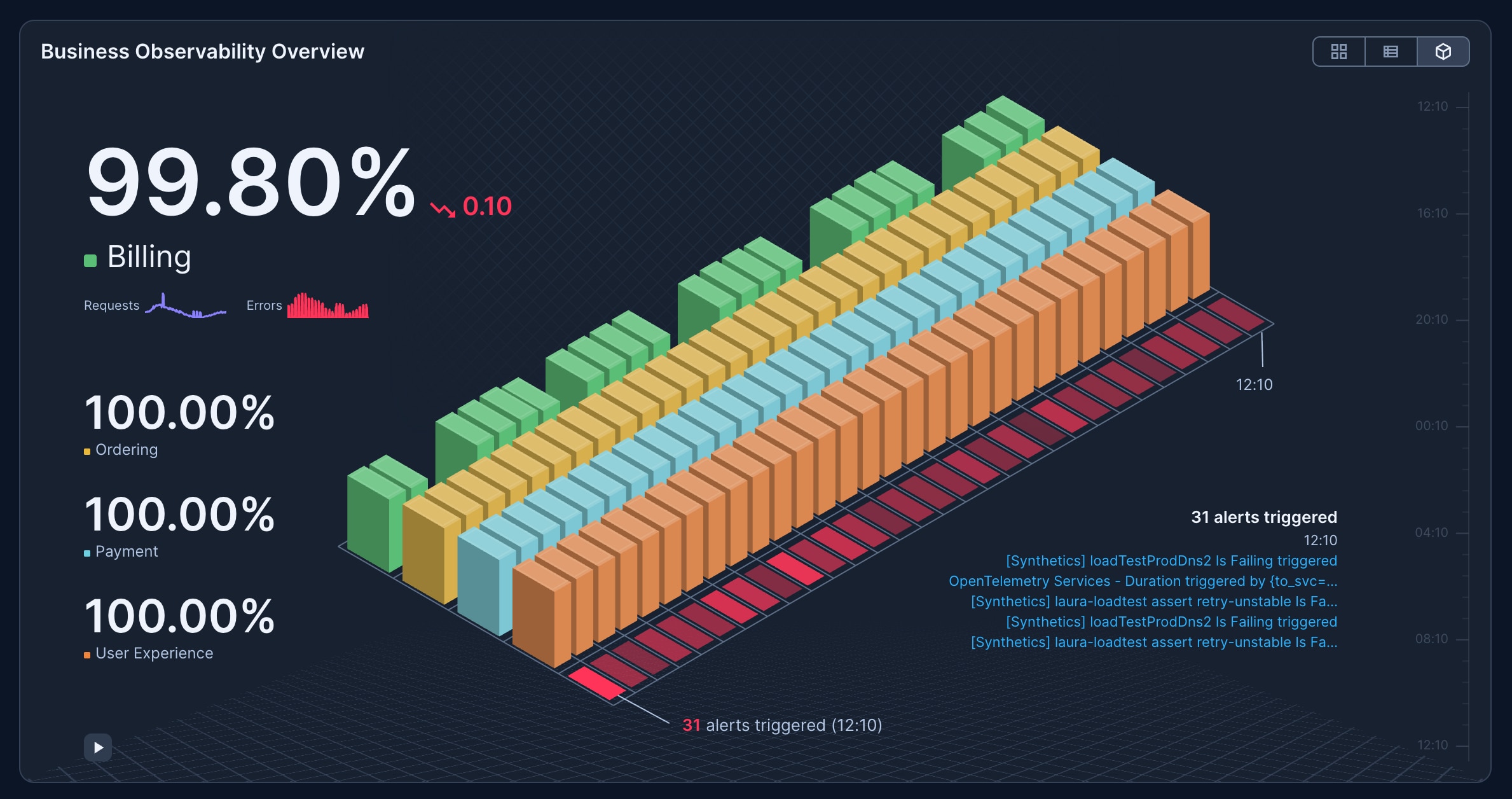
Service health and cost efficiency show the business impact of observability. They link system reliability to revenue and telemetry management to ROI. Historically, it was cumbersome for platform teams to customize and genera...
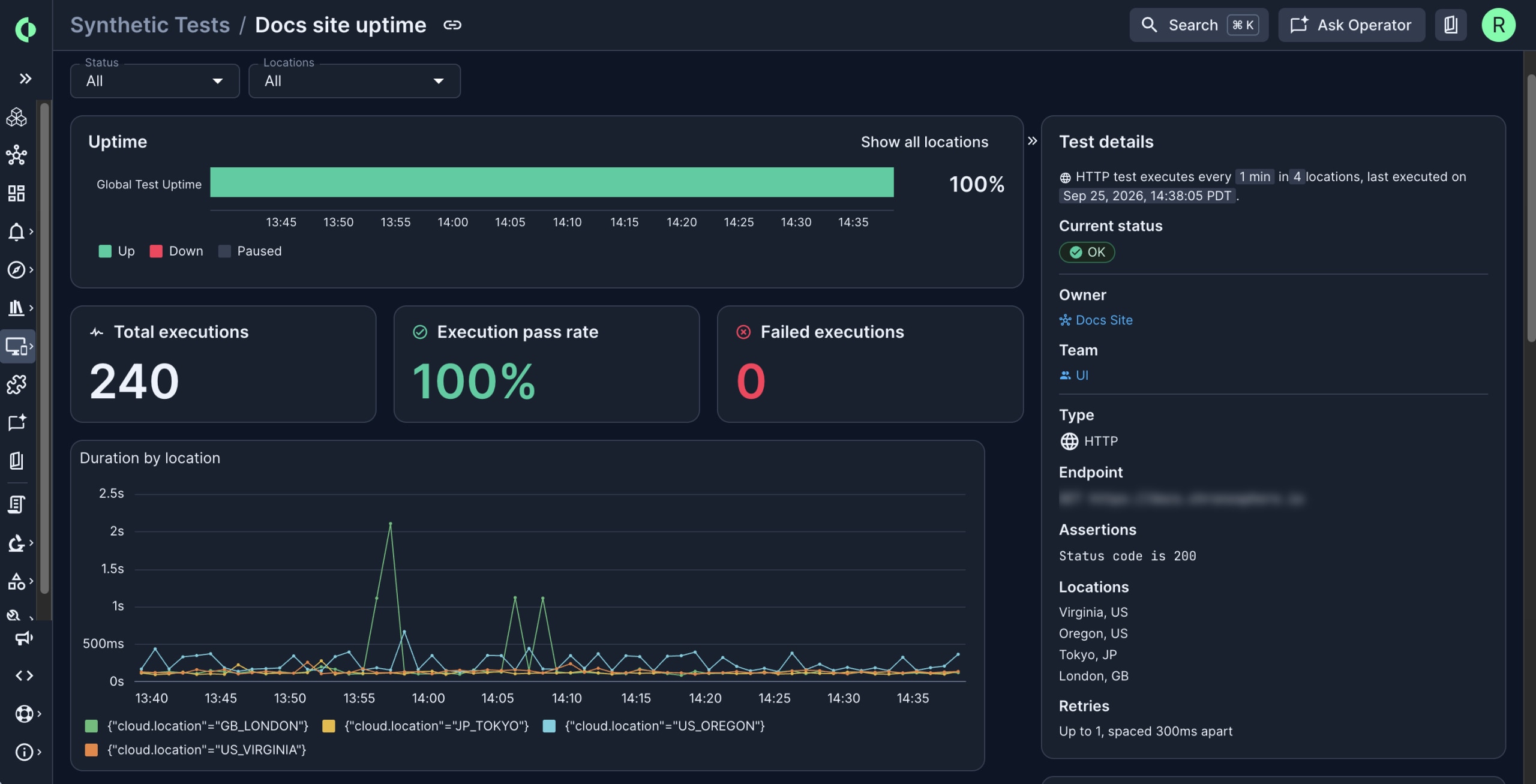
Maintaining predictable system performance across distributed infrastructure requires identifying issues before they broadly impact your users. While telemetry provides operational visibility, running synthetic tests on endpo...
Our analysis an AI-powered espionage campaign targeting government Linux infrastructure with custom malware, web shells, and advanced credential theft....
We investigated an intrusion where attackers exploited CVE-2024-47575 to target 500+ firewalls and deploy PEERSTITCH, a memory-resident ARM64 malware....
Sign up to receive must-read articles, Playbooks of the Week, new feature announcements, and more.
By submitting this form, you agree to our Terms of Use and acknowledge our Privacy Statement. Please look for a confirmation email from us. If you don't receive it in the next 10 minutes, please check your spam folder.