Built for Resilience: How Cortex XDR Overcomes Modern SOC Architectural Limitations
In today’s evolving threat landscape, Security Operations Centers (SOCs) face an increasingly complex mandate: detect and respond to sophisticated attacks while maintaining operational efficiency. While Extended Detection and Response (XDR) was introduced to unify telemetry across diverse environments, many organizations continue to experience significant friction. Skyrocketing data storage costs, uncoordinated telemetry streams, and incomplete incident timelines frequently force analysts to navigate disconnected tools slowing down triage when speed matters most.
Many legacy Endpoint Detection and Response (EDR) platforms attempt to bridge these gaps by retrofitting network and identity telemetry on top of existing architectures. Palo Alto Networks Cortex XDR was engineered with a fundamentally different approach, unifying host, network, cloud, email, identity, and third-party telemetry at native scale through an integrated, unified data lake foundation. By bringing together multi-domain data sources directly into a single architecture, Cortex XDR eliminates telemetry silos, normalizes disparate log formats, and delivers continuous, actionable threat context without increasing operational overhead or compounding SOC complexity.
Here is how Cortex XDR addresses critical operational challenges to strengthen defense across the enterprise.
Unlocking High-Volume Telemetry Ingestion Without Cost Overruns
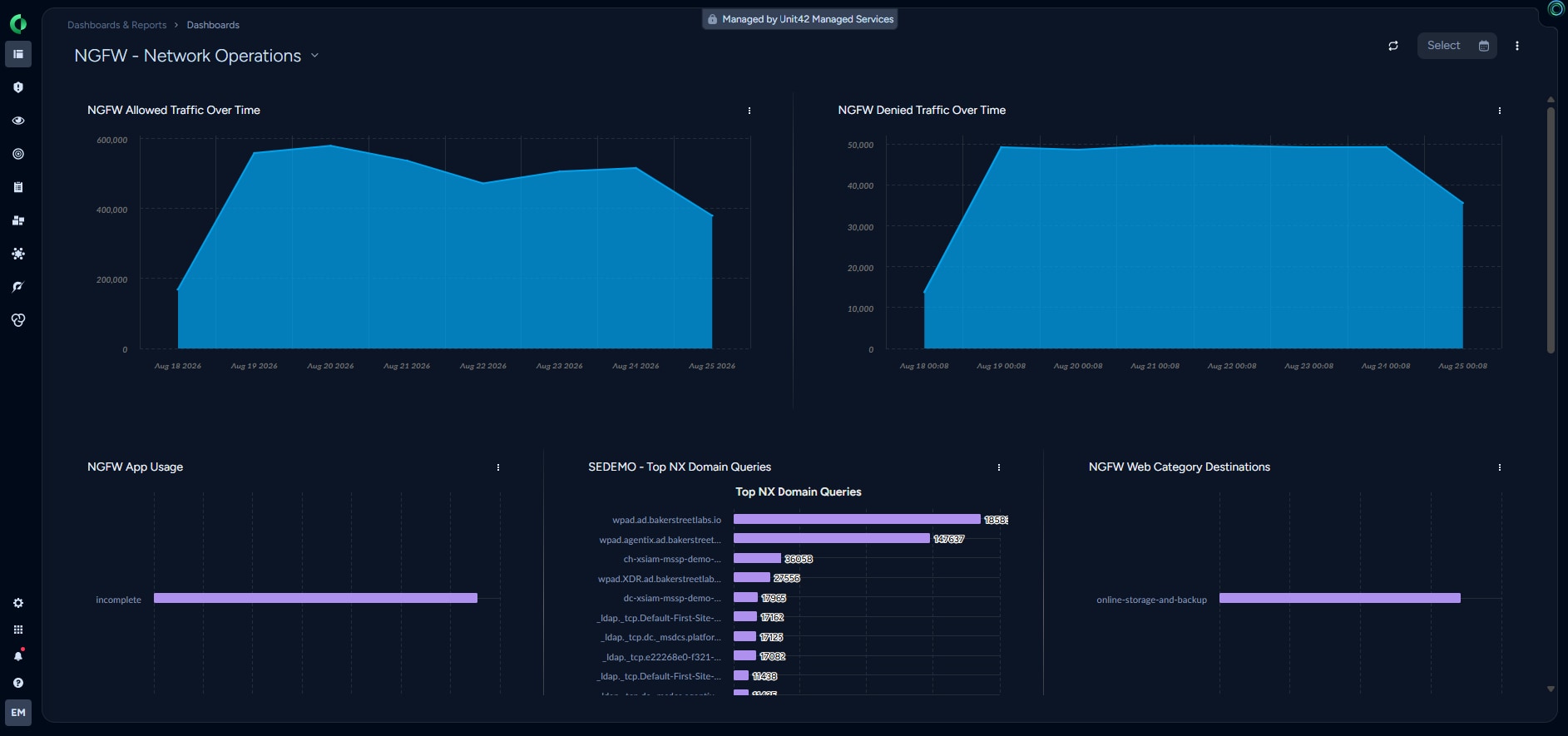
Modern SOCs must choose between complete visibility and controlling costs. Legacy SIEMs charge by ingestion volume, while traditional EDR and NDR tools require extra licensing tiers for extended data retention. These unpredictable financial penalties force security teams to cap telemetry collection by restricting logging levels and omitting essential feeds like DNS, NetFlow, and identity logs. As a result, defenders are left trying to reconstruct complex attack chains using incomplete timelines, while adversaries exploit these unmonitored blind spots to move laterally, escalate privileges, and maintain long-term persistence completely undetected
Cortex XDR eliminates this constraint by natively coordinating high-volume network sensor log ingestion and data collection workflows. By optimizing telemetry analytics and management, Cortex XDR delivers comprehensive visibility while protecting organizations from variable pricing penalties, utilization cost overruns, and "consumption bill shock."
The business value of this architecture is reflected in major enterprise migrations: a leading global manufacturing enterprise and a major real estate investment trust recently displaced complex multi-vendor architectures after proving Cortex XDR handled high-volume data ingestion efficiently without exposing them to unpredictable budget overruns.Also a prominent European research university and multiple local county governments adopted Cortex XDR to maintain control over massive network sensor log workflows while keeping operating costs predictable.
Advancing Threat Visibility Through Native Multi-Layer Telemetry Fusion
While cost-effective log management provides the foundation for visibility, stopping advanced attacks requires deep cross-domain analytics. Endpoint-focused tools excel on host devices but often lack the capability to track network-based attack vectors. This leaves dangerous gaps when adversaries operate across unmanaged endpoints, remote connections, or rogue IP addresses.
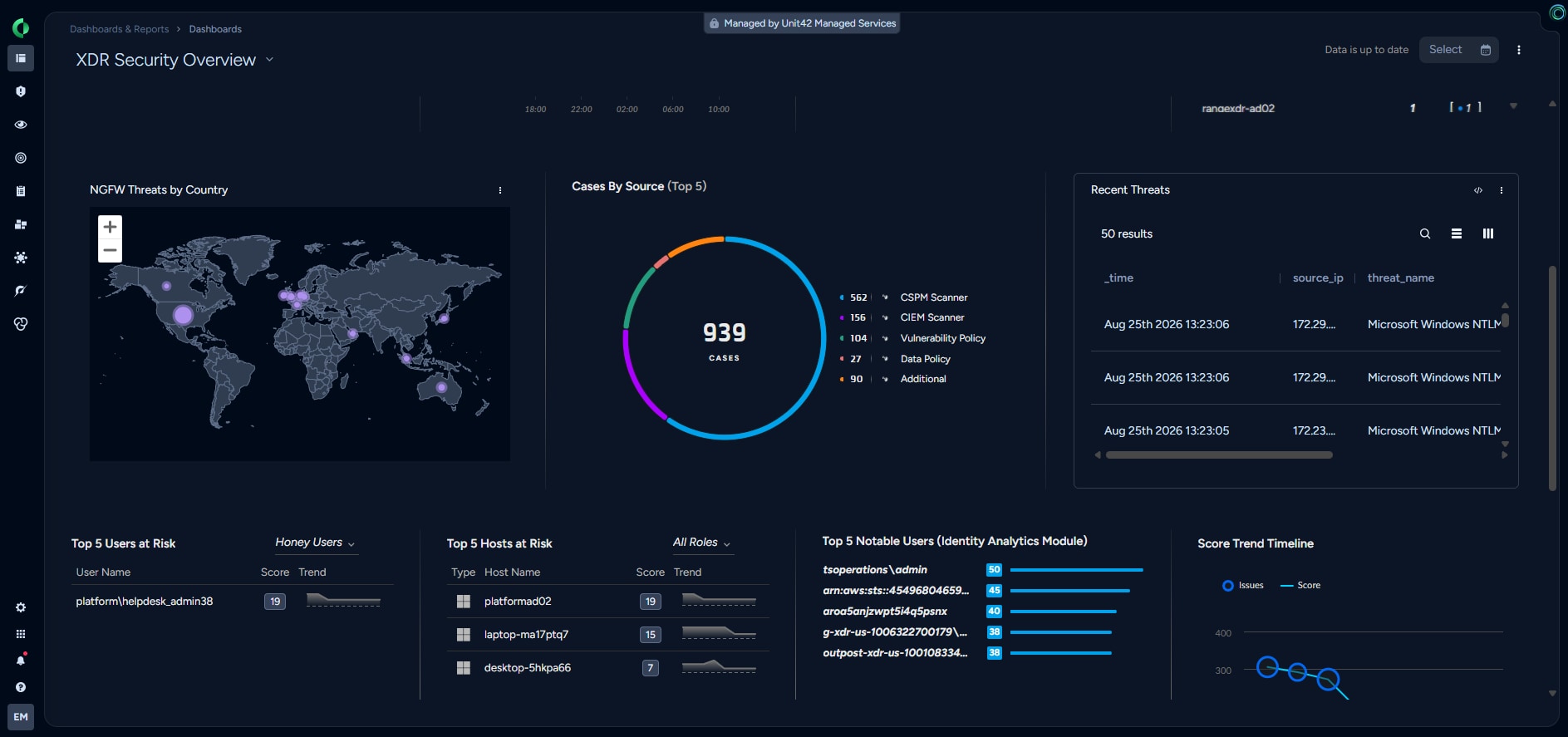
To bridge host and network defense, Cortex XDR combines best-in-class attack correlation engines directly with built-in Network Traffic Analytics (NTA). Rather than treating network logs as isolated telemetry feeds, Cortex XDR automatically stitches network sensor data directly with endpoint behavior. This allows analysts to instantly link external attacker IPs and remote connections to specific internal assets and processes.
This unified approach delivers tangible security outcomes: a large regional financial services provider adopted Cortex XDR to fuse multi-layer telemetry combining endpoint data with NTA, catching attacker IPs and remote connections across their infrastructure. Also a multinational telecommunications provider and a government development authority deployed Cortex XDR to execute high-volume network sensor log ingestion and data stitching, achieving end-to-end network traffic analytics without suffering utilization price shocks.
Streamlining Incident Response with Automated Timelines and Native Linux Visibility
Connecting network and endpoint telemetry leads directly to the core metric of SOC efficiency: reducing investigation friction. In traditional security operations, analysts spend hours manually correlating isolated alerts from identity providers, network firewalls, and host agents. This complexity is often heightened in Linux environments, where legacy tools frequently struggle to deliver granular, accurate, and context-driven vulnerability assessments (VA) and host inspection. In today's landscape, having this deep context is essential, especially as modern AI tools rely on high-fidelity security data to drive effective analysis and automation.
Cortex XDR streamlines this process by flawlessly correlating identity, network, and endpoint events into unified, structured incident timelines. Rather than presenting analysts with uncoordinated alerts, the platform constructs clear attack sequences that reveal context in a single view. Additionally, Cortex XDR’s native Host Insight engine resolves Linux vulnerability assessment concerns out of the box without third-party add-ons. It intelligently coordinates with the broader Cortex ecosystem to avoid redundant scanning when other tools are active; for example, if XDR and KSPM run together on a Kubernetes cluster, vulnerability assessments automatically offload to KSPM so XDR can optimize resources and focus on runtime detection.
Organizations leveraging these capabilities have modernized their threat response workflows where a global industrial tool manufacturer and a major European university hospital system resolved persistent Linux vulnerability assessment engine concerns and host insight challenges by deploying Cortex XDR. Also a pioneering health technology company streamlined its incident triage, replacing fragmented event analysis with automated cross-telemetry fusion and structured incident timelines.
Moving Ahead: Building a Resilient Operations Strategy
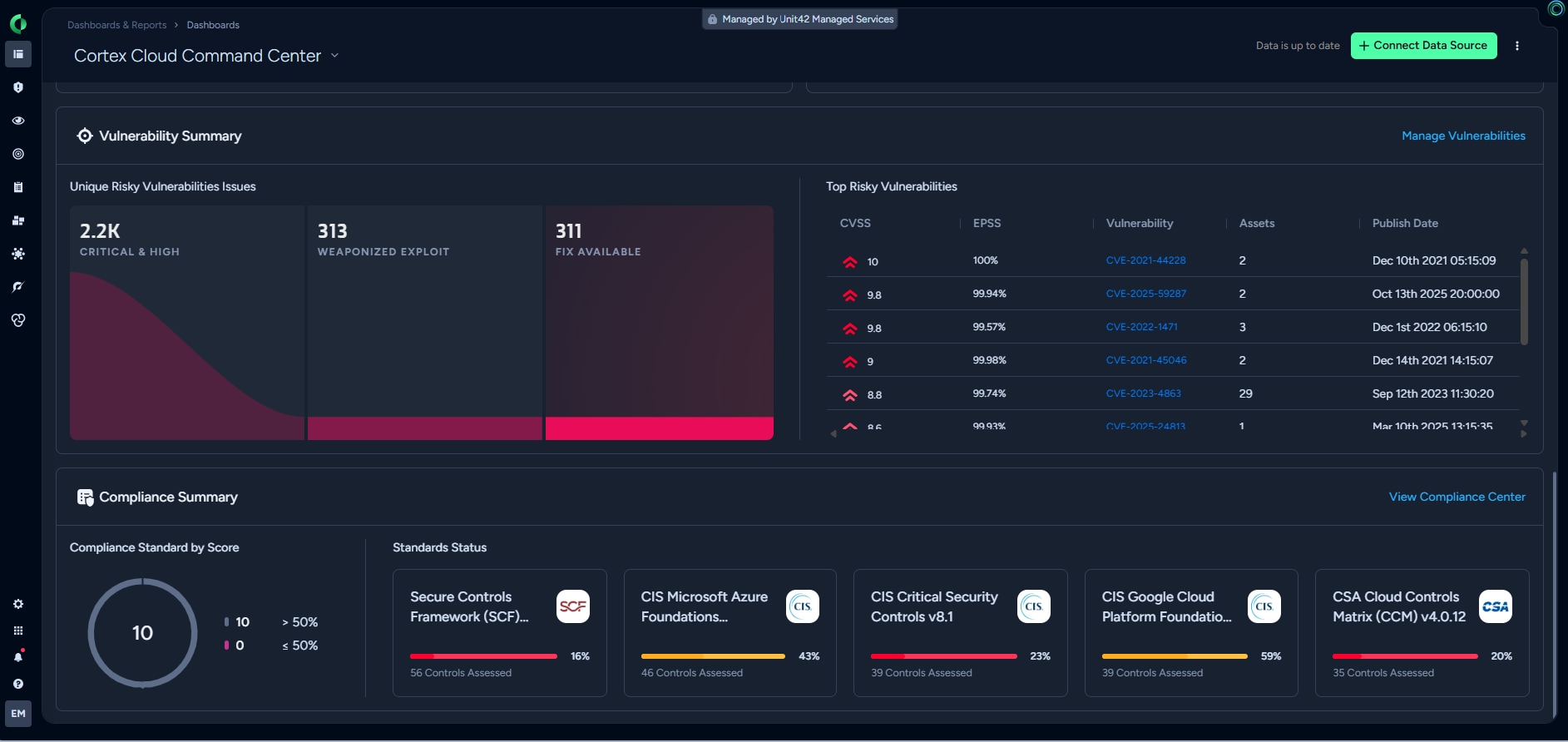
Effective security operations rely on data that is natively integrated, actionable, and cost-effective. By eliminating ingestion cost penalties, unifying network and host analytics, and automating complex threat timelines, Cortex XDR provides a streamlined foundation for modern enterprise defense.
To learn more about how Cortex XDR can help your organization unify telemetry and modernize SOC performance, visit our solution page here.